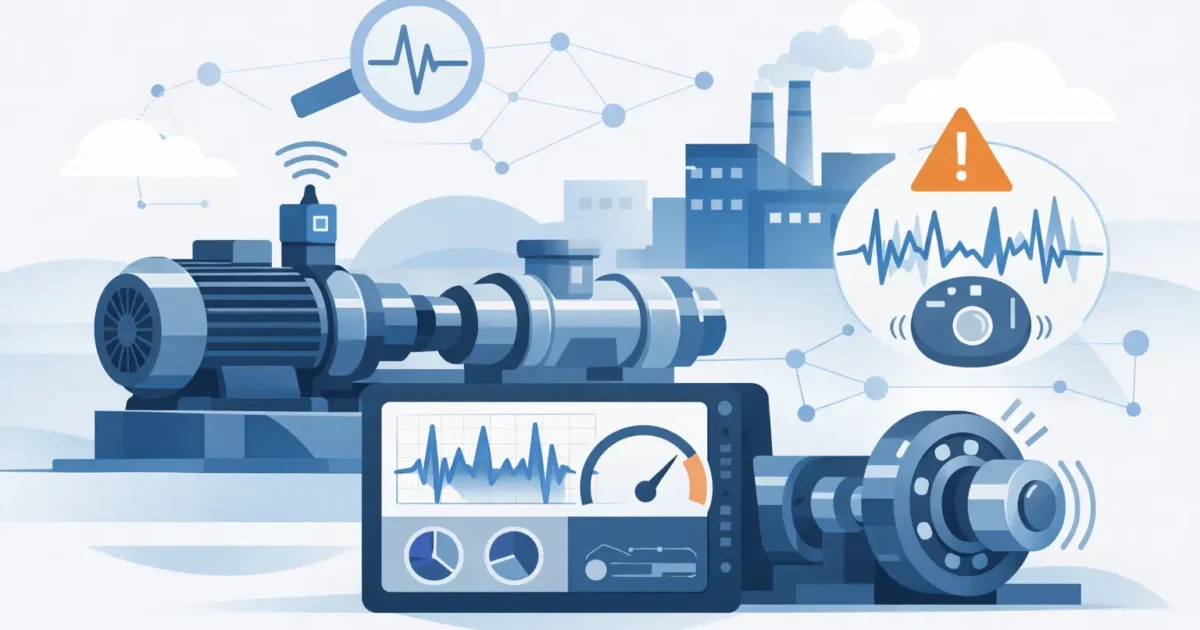
Industrial Vibration Monitoring System Guide
Learn how an industrial vibration monitoring system improves asset protection, maintenance planning, and safety in hazardous process environments.

 USD: ⏳ TRY
 EUR: ⏳ TRY
 GBP: ⏳ TRY

Learn how an industrial vibration monitoring system improves asset protection, maintenance planning, and safety in hazardous process environments.
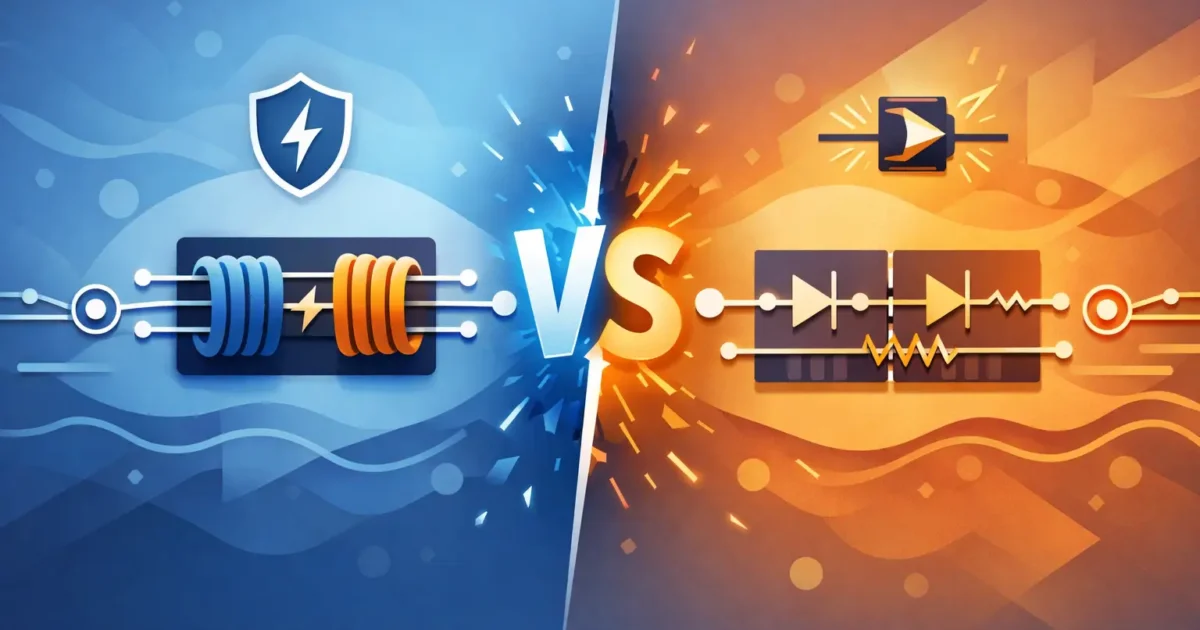
Galvanic isolator vs zener barrier – compare safety, grounding, signal quality, installation, and cost for hazardous-area instrumentation.
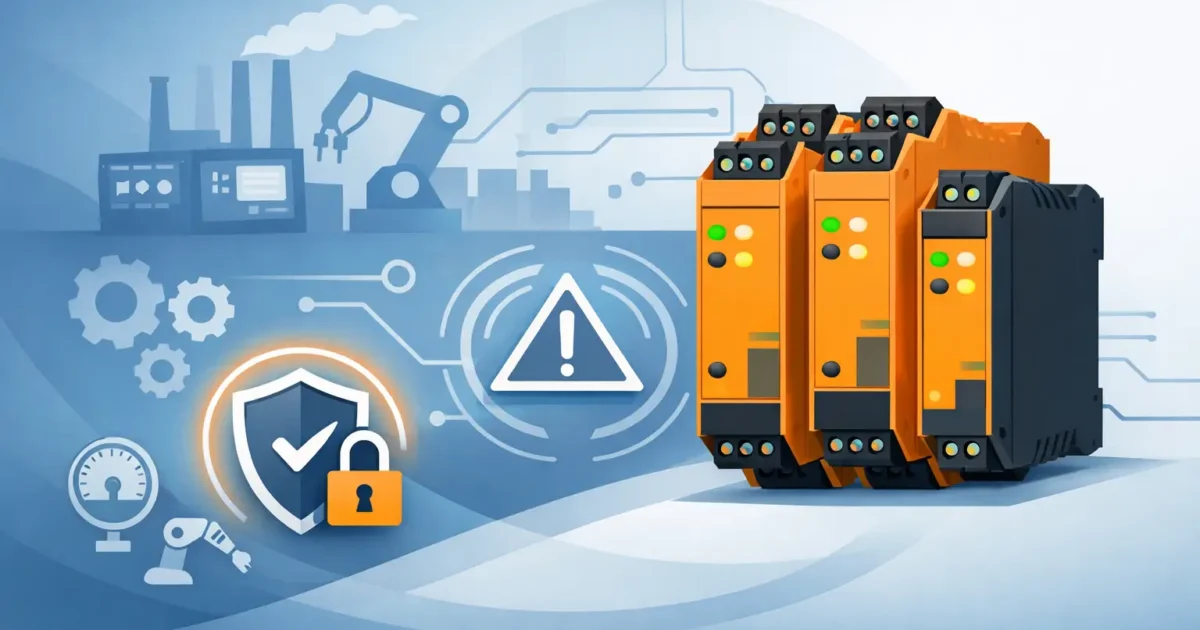
Learn how to specify SIL3 safety relays for hazardous and critical applications with the right certifications, diagnostics, architecture, and fit.
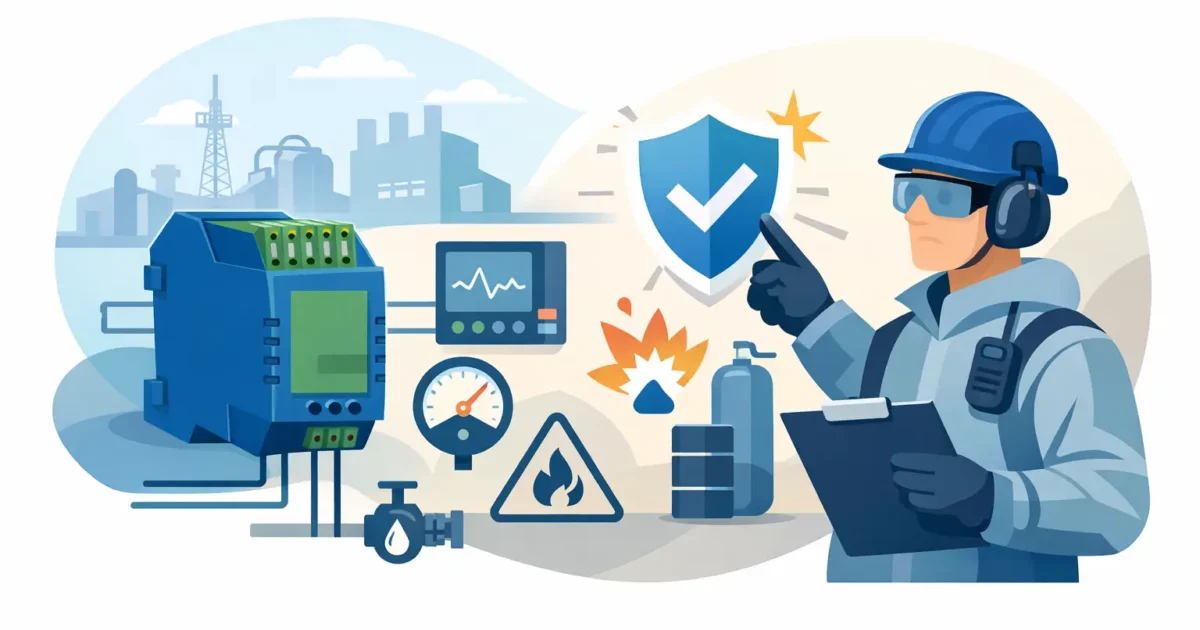
Learn how to choose intrinsically safe isolators for hazardous areas by matching certifications, signal type, power needs, and system design.

Offshore automation safety systems must combine SIL-rated control, Ex protection, and uptime-focused design for demanding marine operations.
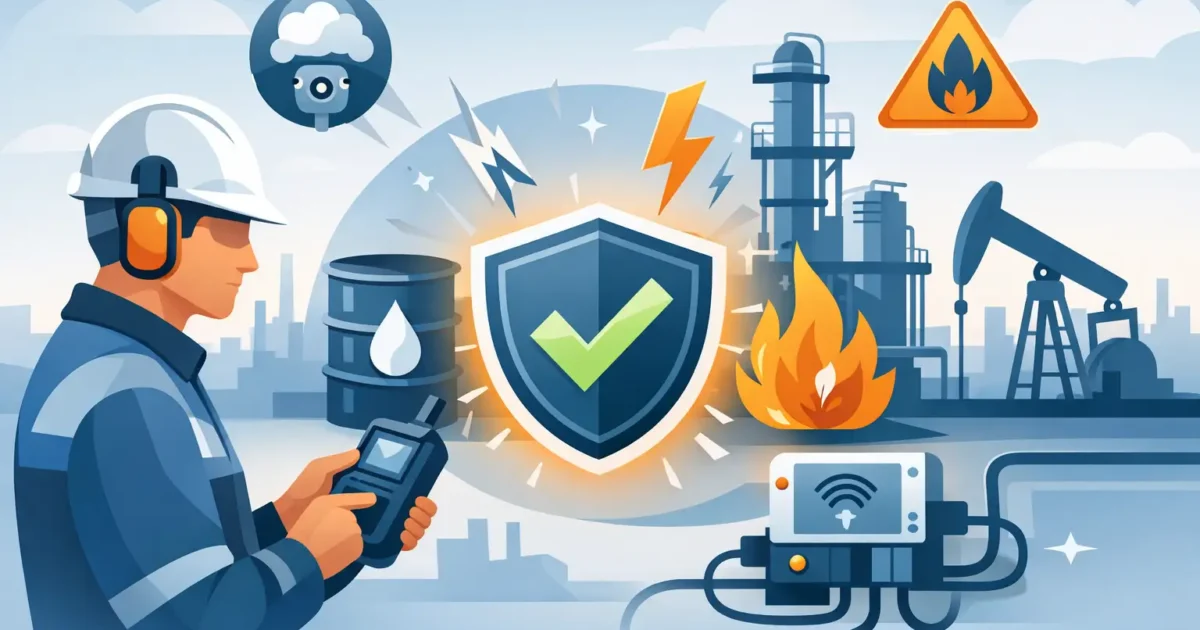
A practical intrinsic safety design guide for hazardous areas covering barriers, entity parameters, grounding, certification, and loop integrity.
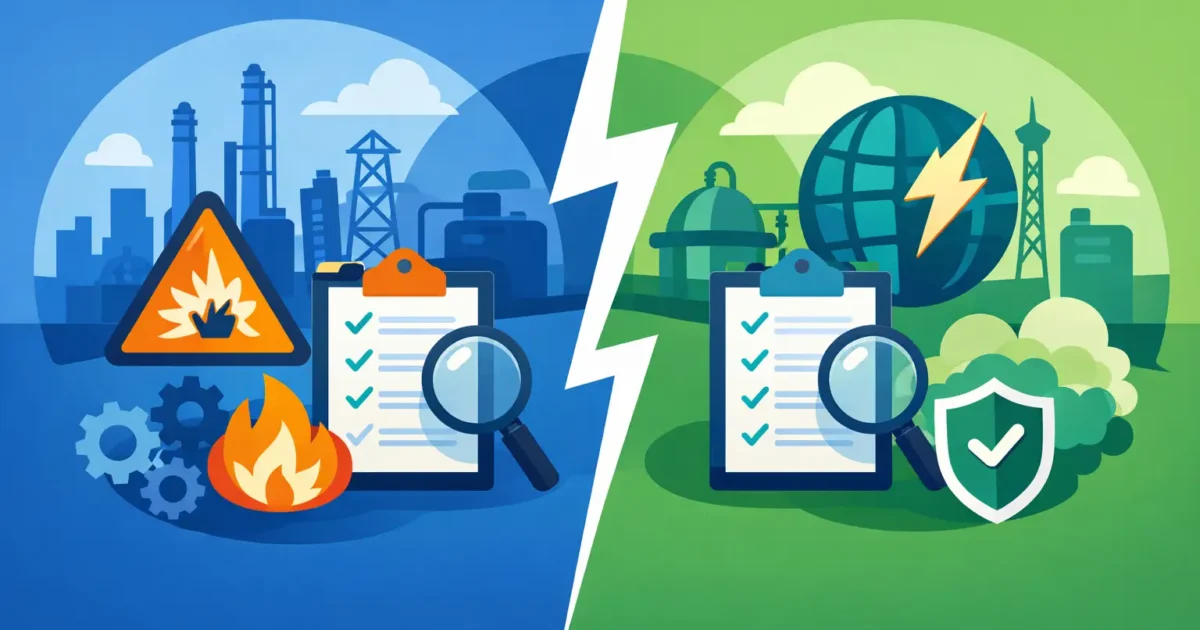
Understand ATEX vs IECEx certification differences, including scope, marking, approval paths, and how each affects hazardous-area equipment selection.
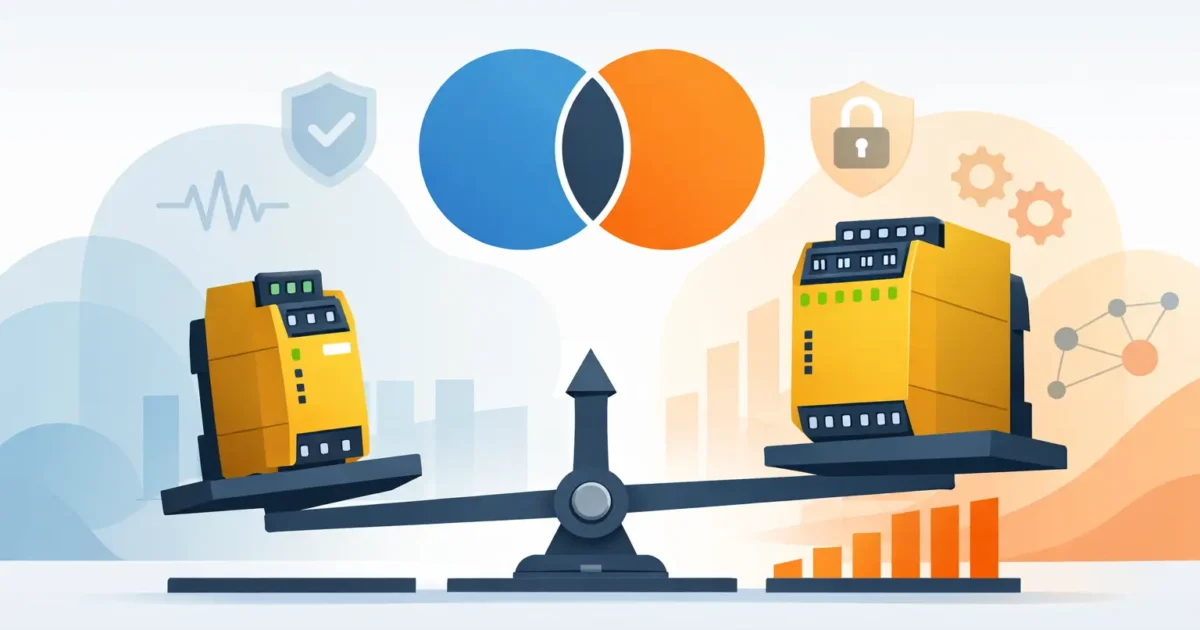
SIL2 vs SIL3 relay selection affects risk reduction, compliance, and uptime. Learn how to match relay integrity to process hazards correctly.
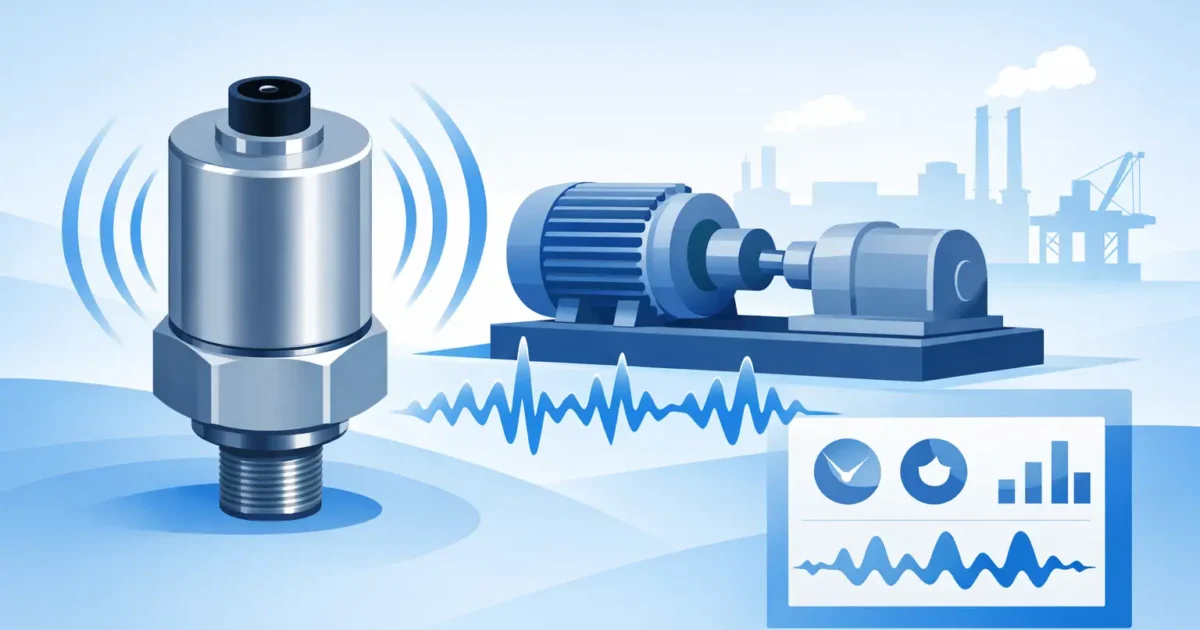
Learn where the hs-429 hansford sensor fits in vibration monitoring, what to check before specifying it, and how it supports reliable plant uptime.
Understand d1032q in industrial control systems, including identification, compliance impact, integration risks, and specification checks.